Kendall driveways and pool decks, sealed on a dry slab.
A good seal keeps oil, rainwater and mildew from soaking into the concrete around a house. A poor one turns slick underfoot or peels off in patches. We clean the slab properly, pick a sealer that suits where that concrete lives, and wait until it is dry before anything goes on. Driveways, walkways, pool decks and garage floors each get their own call from us.
- Clean
- Pressure wash, mildew, old film
- Choose
- Penetrating or topical
- Dry
- Metered before we roll
- Grip
- Texture kept where feet get wet
- Quote
- (786) 488-5057
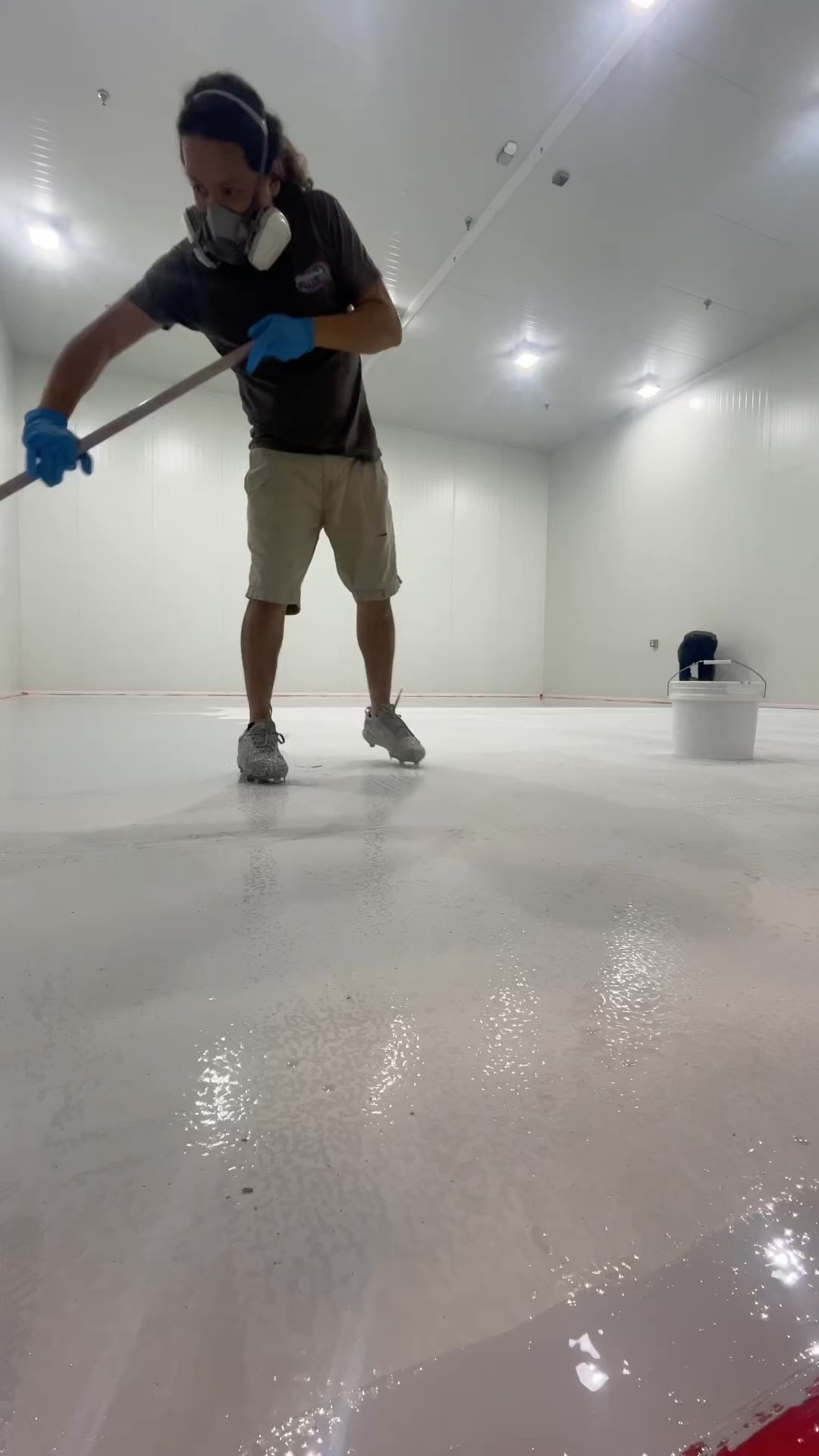
Penetrating or film? It depends where the slab lives.
Concrete sealers come in two families, and most of the disappointing results we get shown came from using the wrong one. A penetrating sealer soaks into the pores and works from inside. It leaves the surface looking close to bare, it lets the slab breathe, and it makes water and stains work much harder to get in. A topical sealer builds a film on top. It can add sheen and deepen the color, and it wipes clean easily, though it wears and asks for more upkeep.
Outside a Kendall home, the penetrating kind is usually the better match for a driveway or a front walk. Those slabs sit in sun all day, get soaked by sprinklers and summer rain, and need to let moisture escape from underneath. A glossy film laid over that kind of slab can trap the moisture, cloud up and start lifting at the edges.
Inside a garage, the call often goes the other way. A film like that makes a garage easier to sweep and keeps drips from staining, as long as the concrete under it was scrubbed and opened up first.
At the walkthrough we tell you which family we would use on each surface and why. The sample-panel kit comes along too, so you can see how each sealer changes the look of your own concrete before you pick.
Sealing around Kendall houses, start to finish by our crew.
Most of what we seal in Kendall sits around single-family houses and townhomes: the driveway out front, the walk up to the door, the pool deck or lanai out back, and the two-car or three-car garage. Our own installers handle every one of them, with no subcontractor on the slab, and a new job usually gets walked the same week you reach out. Finished floors are in the gallery, and the Kendall page lists every system we put down in the area.
Clean concrete first, sealer second.
The sealer goes on last and gets the credit, but the cleaning in front of it does most of the work. Every sealing job we take starts with these three.
Pressure washing
Dirt, tire marks and loose grit come off with a pressure washer, worked in overlapping passes across the whole slab. An evenly clean surface takes sealer evenly, so the finish does not dry blotchy.
Mildew and algae
Shaded walks and the edges of pool decks grow a dark film in this humidity. We treat that growth before washing so it dies at the surface, then rinse it away. Sealing over live mildew just traps it under a clear coat.
Old sealer
A worn film from a previous job has to come off before fresh sealer goes down, or the new coat peels right along with it. A few drops of water show us where old product is still sitting on top.
Each slab around the house gets its own sealer.
Four surfaces on one property can call for four different approaches. This is how we usually decide them on a Kendall lot.
Driveway
Car weight, hot tires, oil drips and full sun. A penetrating sealer resists stains without building a film for tires to scuff or lift. Oil spots get degreased before any product touches the slab.
Walkway
Often the shadiest concrete on the lot and the first place mildew shows up. We clean it hard, then seal with a product that keeps its grip right after the sprinklers run.
Pool deck
Wet feet, chlorine splash and sun. Slip resistance outranks shine here, so any sealer we use keeps the deck’s texture, and a film-forming product only goes down with grit mixed in for traction.
Garage floor
Indoors and out of the rain, a film-forming sealer earns its place by keeping drips on the surface where they wipe up. If you want color or flake, the garage moves into a full coating system instead.
Afternoon storms set the start time.
Sealer needs a dry slab going on and dry weather while it sets. In a Kendall summer, that means starting early, keeping an eye on the sky past lunch, and moving the date when the forecast turns against us. We would rather reschedule than roll sealer over concrete still damp from yesterday’s storm.
Dry on top does not mean dry inside. A slab can look finished an hour after the rain stops and still hold water just under the surface. We put a moisture meter on it before we open a can, especially on a driveway that drains toward the house or a pool deck that stays in shade most of the day.
Wind plays a smaller part. On a breezy day, leaves and grit blow onto a freshly sealed driveway and stick where they land, so we start with the sheltered surfaces near the house and save the open concrete for when the air settles.
Sprinklers are the other thing to plan around. We will ask you to switch them off the day before, the day of and the day after, or at least redirect any heads that reach the slab. The full process is on our concrete sealing page.
- Morning
- Start on a dry slab
- Midday
- Watch the clouds
- Storm
- Stop, protect, rebook
- Sprinklers
- Off for the day
- Walk on
- When we say it has set
How a sealing day runs.
Look
A walkthrough with the water-drop test and moisture readings, then the right sealer named for each surface.
Clean
Mildew treated, oil degreased, old film removed and the whole slab pressure washed edge to edge.
Dry
We wait for the concrete, meter it again, and hold the job if the reading or the sky says no.
Seal
Even coats rolled or sprayed, grit added where feet get wet, and the area taped off until it sets.
When a slab needs more than a sealer.
Sealing protects concrete that is still in decent shape. When a Kendall slab is cracked, uneven or worn past that point, one of these is usually the better fit.
What Kendall homeowners ask about sealing.
How can I tell when my concrete needs sealing again?
Sprinkle some water on the slab in a few spots. If it beads up and sits there, the seal is still doing its job. If it darkens the concrete and soaks in, the protection has worn through in that area and it is time to talk about resealing.
Will a sealed pool deck get slippery?
It can if the wrong product goes down. Where we can, we keep the deck’s texture with a penetrating sealer, and when a film is the better choice we mix grit into it for traction. Wet footing near the pool is the first thing we check on a sample.
Can you seal a driveway that has oil stains?
We degrease the stains first and pull out as much as the concrete will give up. Some dark marks stay in the slab no matter what, and we point those out at the walkthrough. Sealer will not bond over fresh oil, so that cleaning step never gets skipped.
What happens if it rains while you are sealing?
We only start when the slab is dry and the day looks clear. If a storm rolls in partway through anyway, we stop, protect the sealed area as best we can, and finish the rest on the next dry day instead of pushing through wet concrete.
Does my HOA have to approve sealing the driveway?
Some associations want to sign off, especially when a sealer changes the look of the concrete. If yours does, we supply a signed proposal, our insurance certificate and the product spec sheets, set up for board review. Plain sealing work rarely needs a permit from Miami-Dade County.
Try the water test, then send us a picture.
Pour a little water on the driveway, the front walk or the pool deck and watch what happens. If it soaks straight in, photograph that slab, add the rough square footage, and tell us which surfaces you want sealed. You get a real quote within 24 hours, and we can usually walk the property that same week. Call (786) 488-5057 or use the contact form.